Design Philosophy Behind Purva Northern Lights
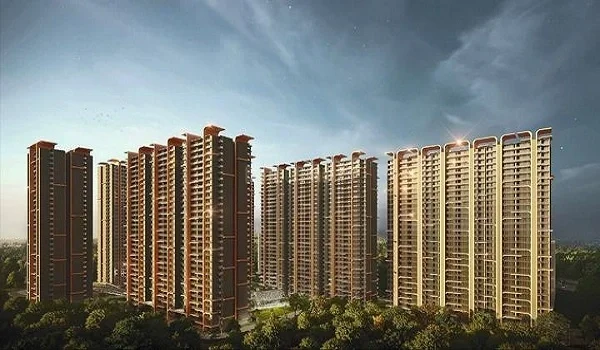
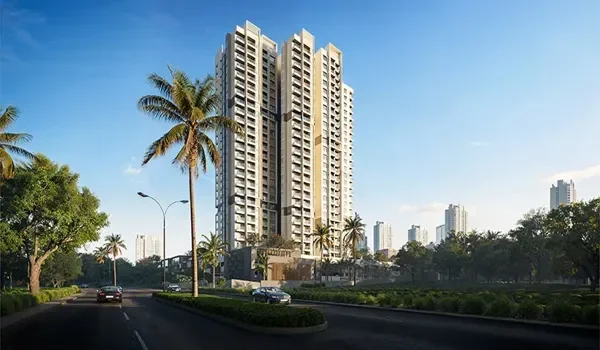
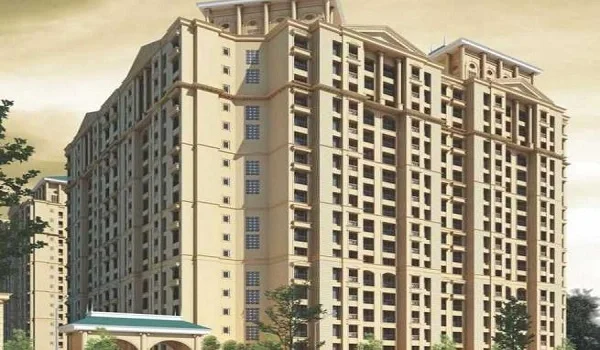
A design philosophy is the main idea that shapes a building. It acts as the "why" behind every wall and window before construction even starts. For Purva Northern Lights, the design philosophy comes from its name—the Aurora Borealis. This project in the KIADB Aerospace Park moves away from the cramped style of city buildings. Instead, it uses a smart "Integrated Township" model that values light, fresh air, and wide open views.
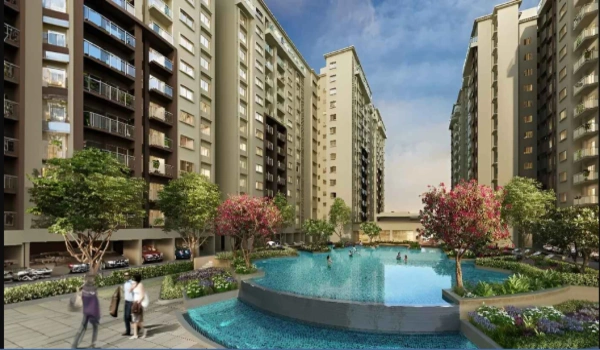
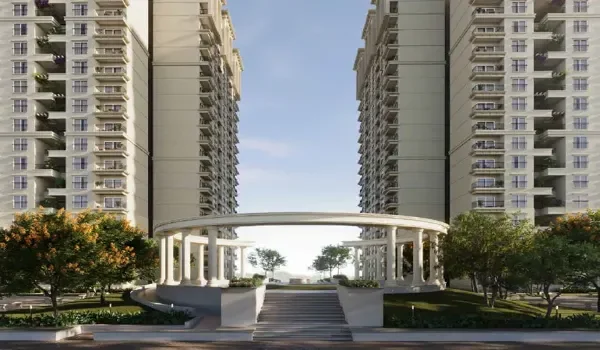
The architects used a method called "View-Oriented Planning." This means they did not just place towers randomly on a map. They turned every building to make sure homes face gardens or the horizon, not a neighbor’s wall. They built on only 20% of the land, leaving the other 80% for nature. This creates a "breathing" space for everyone who lives there. The goal is simple: to lower your stress and make you feel like you are living in a resort, not a busy city block. This focus on space and light is what makes the project special.
The "Aurora" Theme: Building with Light
The most unique part of the design philosophy behind Purva Northern Lights is how it uses light.
- Glass Walls: The towers use large glass panels. This reflects the sky and makes the tall buildings look lighter and less heavy.
- Night Glow: The landscape lighting mimics the Northern Lights. At night, the gardens and water bodies glow softly, creating a calm mood.
- Sun Path: The blocks are placed to catch the morning sun but block the harsh afternoon heat. This keeps homes bright but cool naturally.
Master Plan Architecture: The 80/20 Rule
You might ask, what is a master plan architecture doing here? The answer is "Vertical Living."
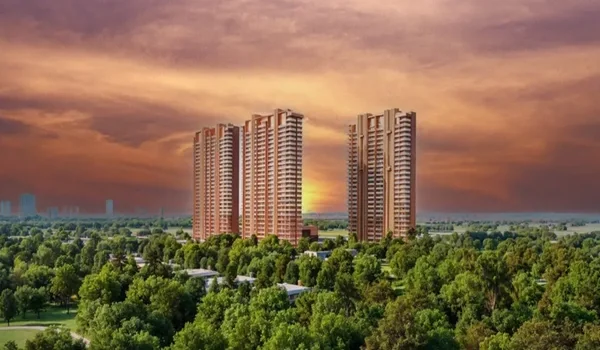
- Going Up: By building 31 floors high, the developer saves land on the ground. This allows for huge parks instead of small patches of grass.
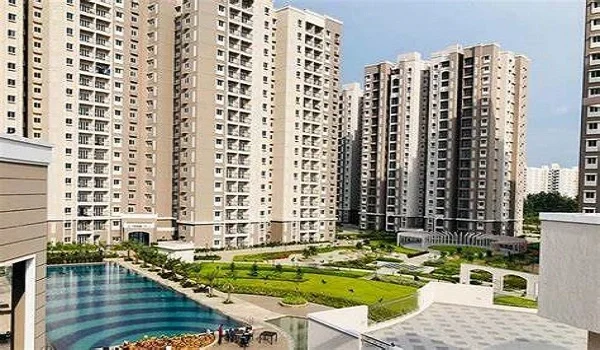
- Wide Gaps: The towers are far apart. This stops the "canyon effect" where tall buildings block all the wind.
- Smart Structure: The engineers used fewer pillars inside the flats. This makes the rooms feel bigger and gives you more freedom to place furniture.
Living with Nature (Biophilic Design)
A big part of the plan is connecting you to nature. Architects call this "Biophilic Design."
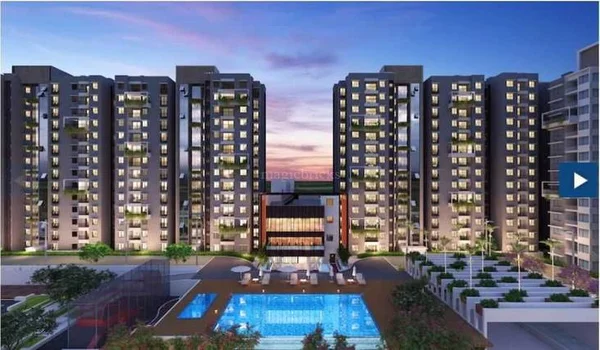
- Water Sounds: There are nine different water features on the site. The sound of moving water acts as "white noise" to block out city traffic sounds.
- Healing Gardens: You will find special spots like "Aromatherapy Gardens." These are not just for looks; they are planted with scents to help you relax.
- Clean Air: The plants chosen for the landscape help filter dust. This makes the air inside the gates cleaner than the air on the main road.
Frequently Asked Questions (FAQs)
1. What does "View-Oriented Planning" mean?
It means the buildings are angled to get the best views. Most balconies look out at parks or open land, not at other buildings.
2. Why is it named "Northern Lights"?
The name fits the theme of light and brilliance. The glass and lighting make the project glow, much like the real aurora in the sky.
3. Is the 80% open space real?
Yes. The builder only uses about 20% of the land for the actual towers. The rest is left open for amenities and greenery.
Social Design: A City Within a City
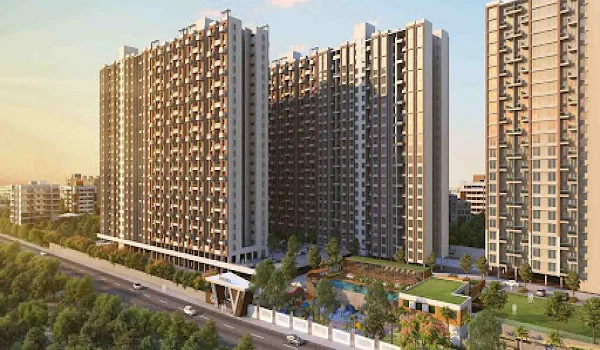
The layout also changes how neighbors meet. The idea is to build a community, not just apartments.