Can I Sublet My Apartment at Purva Northern Lights? Rules & Restrictions Explained
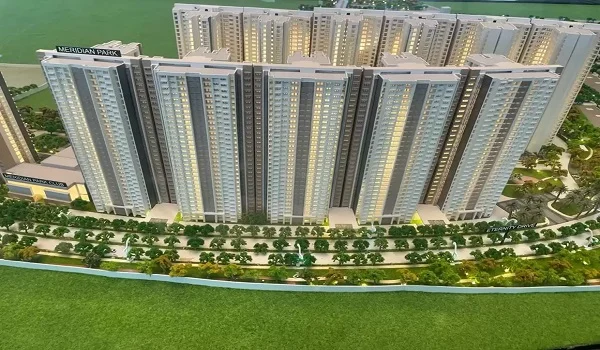
Buying an apartment is a big investment, and many homeowners wonder if they can rent it out later. Subletting can be a good way to earn extra income, especially if you are not living in the apartment yourself. If you own or plan to buy a home at Purva Northern Lights, it’s important to know the rules and restrictions before subletting.
What Is Subletting?
Subletting means letting someone else live in your apartment while you still own it. For example, if you are living in another city or country and don’t plan to use your Purva Northern Lights apartment for some time, you can rent it to someone else, and they will pay you rent.
Is Subletting Allowed at Purva Northern Lights?
Yes, you can usually sublet your apartment at Purva Northern Lights, but it is not completely free. You must follow certain rules set by the builder and, after possession, by the resident community or society.
Why Are There Rules for Subletting?
The rules are there to:
- Ensure that all residents feel secure
- Maintain harmony in society
- Protect property value
- Make sure rental activity does not disturb other residents
Here are the key rules you should know before subletting your apartment:
1. Check the Builders’ Agreement
Before booking or after buying your apartment, always read your sale agreement carefully. Most builders mention rules about subletting, like:
- Whether you can sublet right away or only after getting possession
- If you need to give written notice to the builder
- Limits on the type of rentals, such as short-term rentals
2. Society or RWA Rules
After you take possession of your apartment and the society is formed, the Residents’ Welfare Association (RWA) or society members make rules called bye‑laws. These rules may include:
- Getting permission before renting your apartment
- Minimum rental period, like 6–12 months
- Rules for tenants and guests
- Fines if you sublet without permission
3. Take Written Permission Before Renting
Before renting out your apartment, it’s best to:
- Get written permission from the society or RWA
- Inform the builder if your agreement says you need to
4. Make a Proper Rental Agreement
Subletting is not the same as casual renting. Always make a proper rental agreement with your tenant. It should include:
- Tenant’s name and ID proof
- Monthly rent amount
- Security deposit
- Lease duration (how long they will stay)
- Rules and responsibilities for both you and the tenant
5. Follow Legal and Tax Obligations
- Make a Rental Agreement: Always prepare a written agreement with tenant details, rent amount, security deposit, and lease duration.
- Declare Rental Income: Tell the income you earn from rent on your income tax return.
- Pay Tax on Rent: You might have to pay tax on the rent you receive, but you can subtract some allowed expenses before calculating the tax.
- Keep Records: Save all rent receipts, bank statements, and agreements for future reference.
- Tenant Background Check: Always check the tenant’s ID and documents to avoid any legal problems.
- Follow Builder/Society Rules: Ensure your subletting follows the rules mentioned in your agreement and society bye-laws.
- Renew Agreements: Update or renew rental agreements on time to stay legal.
6. Maintain Your Apartment
Even if someone else is living in your apartment:
- Regular Repairs: Quickly fix any leaks, electrical problems, or broken items in your apartment.
- Cleanliness: Keep the apartment clean, even if the tenant is living there. Check regularly.
- Check Utilities: Ensure water, electricity, and gas connections are working properly.
- Safety Measures: Make sure locks, grills, and safety equipment are in good condition.
- Follow Society Rules: Make sure your tenant does not violate society rules for noise, parking, or common areas.
- Inspect Periodically: Visit your apartment occasionally to see if everything is okay.
- Documentation: Keep records of maintenance work and expenses for future reference.