How to Calculate the Expected Rental Yield for Purva Northern Lights in 2026


Featured Image of How To Calculate The Expected Rental Yield For Purva Northern Lights In 2026

To find out the rental yield for Purva Northern Lights in 2026, an investor must look at two factors: the price of the flat and the rent it can earn. The starting price is about ₹11,000 per sq. ft. Hence, a 1,100 sq. ft. 2 BHK flat will cost around ₹1.35 crore after adding taxes and registration fees.

In the Bagalur area, a similar good apartment can earn around ₹38,000 to ₹42,000 per month in rent. This comes to about ₹4.8 lakh per year. Based on this, the rental return is roughly 3.5%.

On top of that, property prices in this area are going up by 14–16% every year. So the total return is much better than the city average of about 3%. This guide explains step by step how to calculate the rental yield for Purva Northern Lights.

What Is Rental Yield?


Rental yield tells us how much income a property earns each year. It is a percentage of the total money invested. There are two kinds of rental yield.

  • Gross yield – the rent earned before paying any expenses.
  • Net yield – the rent left after paying costs like maintenance and property tax.

The math is simple. Divide the yearly rent by the total cost of the flat. Then multiply by 100. That gives the gross rental yield.

Below are the steps involved in the calculation of the rental yield for Purva Northern Lights:

Step 1: Find the Total Cost of the Flat

The base price in KIADB Aerospace Park is about ₹11,000 per sq. ft. For a 1,100 sq. ft. 2 BHK, the base price is ₹1.21 crore. But an investor also has to pay stamp duty, registration fees, and GST. After adding all those charges, the total cost comes to about ₹1.35 crore.

Always use the full cost when doing the math. That gives a true picture of the returns.

Step 2: Estimate the Monthly Rent

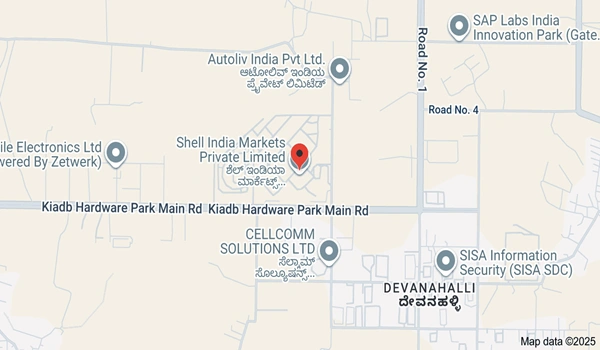
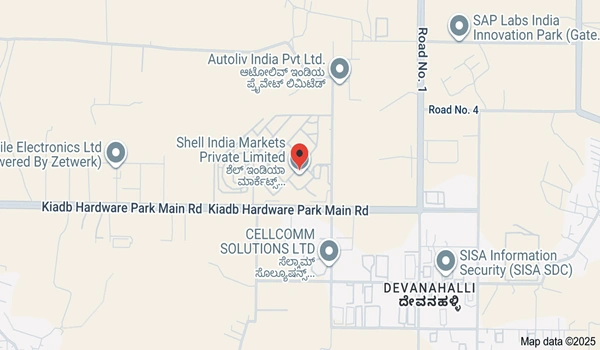
Many people who work at Boeing, Airbus, and Shell live near the Aerospace Park. This keeps rental demand high. In 2026, a 2 BHK flat in this area can earn between ₹35,000 and ₹42,000 per month.

For financial planning, a sensible monthly rent to work with is ₹38,500.

Step 3: Work out the yearly rent

Multiply that monthly figure by 12.

₹38,500 × 12 = ₹4,62,000 per year.

That is the total rent the property would bring in over a full year, before subtracting any expenses.

Step 4: Calculate the Gross Yield

Divide the yearly rent by the total cost.

₹4,62,000 ÷ ₹1,35,00,000 = 0.0342

Multiply by 100 = 3.42%

The average for Bangalore is about 3.2%. This project does better than most areas.

Step 5: Figure Out the Net Yield

Gross yield leaves out some important costs. To get the real picture, an investor has to subtract yearly expenses.

Take a 2 BHK flat as an example:

  • Maintenance fees come to ₹60,000 a year.
  • Property tax adds another ₹15,000 a year.
  • That makes the total yearly costs of ₹75,000.

Net income = ₹4,62,000 – ₹75,000 = ₹3,87,000

Net yield = ₹3,87,000 ÷ ₹1,35,00,000 × 100 = 2.86%

This is the actual cash an investor takes home after paying all expenses.

Rental Yield by Unit Type – 2026


Here is a breakdown for each flat type. All costs include the base price (around ₹11,000 per square foot), plus 5% GST, 5% stamp duty, and 1% registration fees.
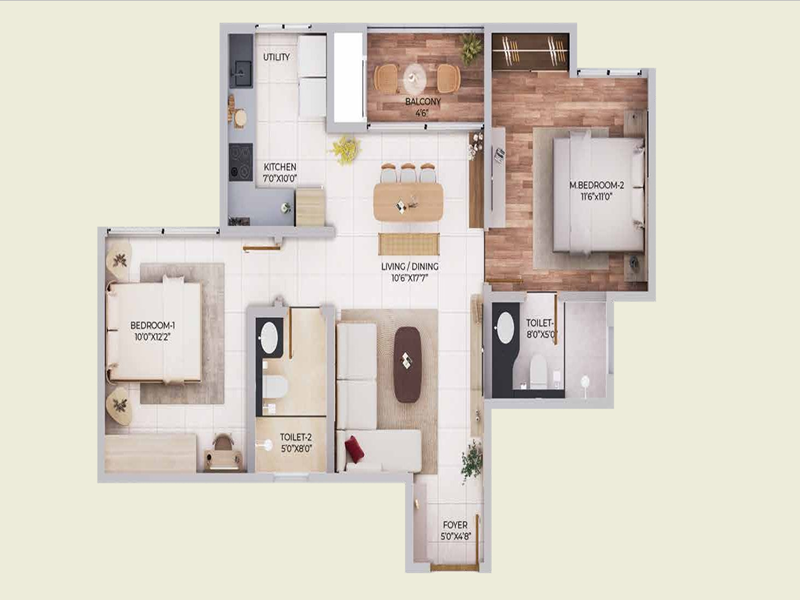
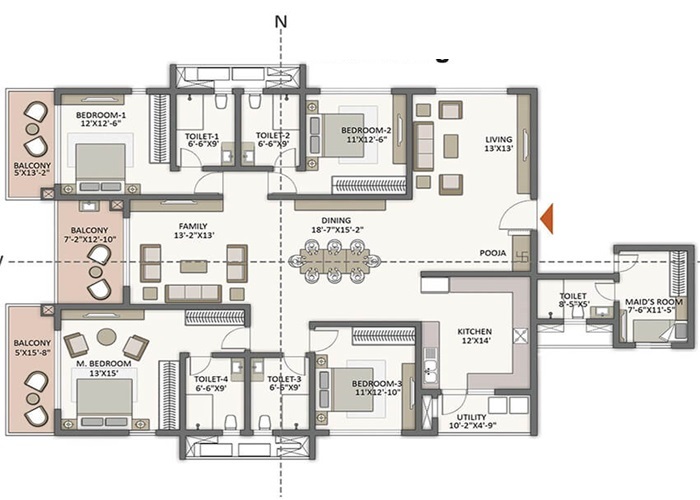
  • 1 BHK – 408 sq. ft. Total cost: ₹89 lakh. Monthly rent: ₹26,000 to ₹29,000. Gross rental yield: 3.5% to 3.9%.
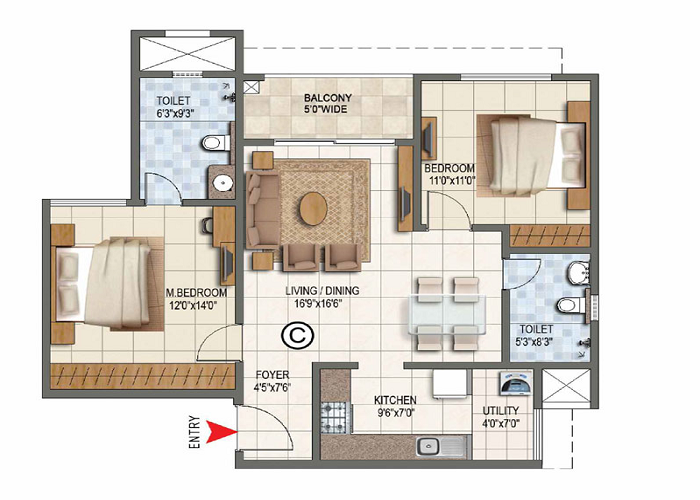
  • 2 BHK – 1,097 sq. ft. Total cost: ₹1.32 crore. Monthly rent: ₹37,000 to ₹41,000. Gross rental yield: 3.4% to 3.7%.
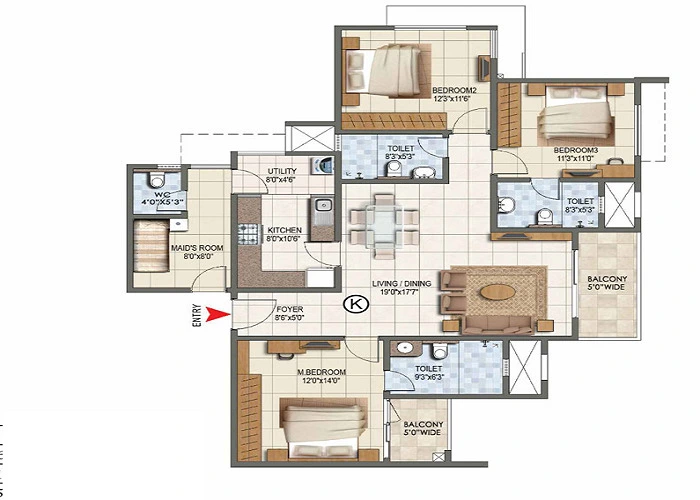
  • 3 BHK – 1,685 sq. ft. Total cost: ₹1.93 crore. Monthly rent: ₹52,000 to ₹58,000. Gross rental yield: 3.2% to 3.6%.

Which Unit Type Gives the Best Returns?

Smaller flats give the highest rental yields. One BHK and 2 BHK flats earn between 3.4% and 3.9% gross yield. Three BHK and 4 BHK flats earn a bit less, usually between 3.1% and 3.6%.


Many working professionals prefer smaller, well-planned flats with lower monthly rent. So these units stay in high demand.

Market Outlook for Purva Northern Lights in 2026


The current rental yield is steady. But two factors will push these numbers higher by the time the project is ready in 2029-2030.

1 The Job Multiplier

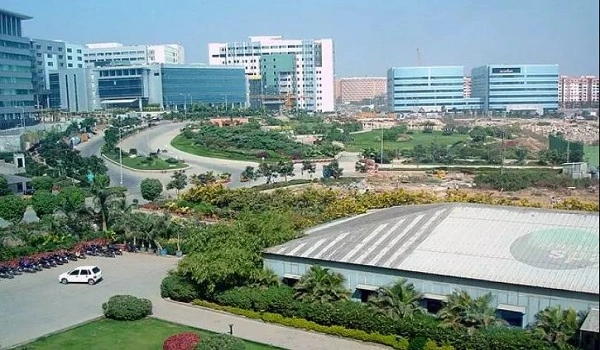
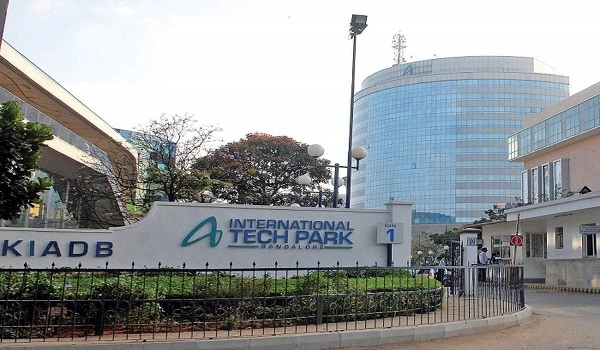
The 3,000-acre KIADB Aerospace Park is a major job hub. By 2027, more offices are expected to open here. This will bring more people looking for homes nearby. As a result, there will be very few empty flats, and rents are likely to increase as demand grows.

2 The Metro Factor

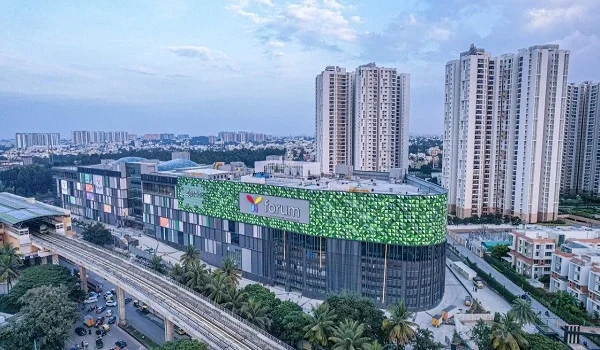
The Metro Blue Line (Airport Line) is the biggest infrastructure project that will help this property. In the past, homes within a 15-minute walk of a metro station have earned 10–15% higher rent. By 2028, this new metro link will likely raise the current 3.42% rental yield to around 4%.

Conclusion


For an investor in 2026, Purva Northern Lights gives a good mix of regular income and long-term growth. The net rental yield of 2.86% provides steady cash flow. But the real gain comes from the rise in property value. The Bagalur area is growing 14–16% every year. That is nearly five times faster than the rent increase. So, by calculating the rental yield today, an investor can see if this special economic zone is worth the money in the long run.

Frequently Asked Questions


1. What rental yield can someone expect from North Bangalore apartments in 2026?

In 2026, most of Bangalore gives rental returns between 2.8% and 3.2%. Projects like Purva Northern Lights offer slightly higher returns, around 3.4% to 3.5%. The reason is simple: the Bagalur–Devanahalli area is growing fast, and there are not enough good gated communities for everyone who wants to live there.

2. How much will the Metro Blue Line raise property values in Bagalur?

Homes that are within 1-2 km of the Metro Blue Line often see 10–15% higher rent and better price growth. Once the metro is fully running by 2027-2028, more people will want to live in Bagalur. That will push demand even higher.

3. Which matters more for Purva Northern Lights, price growth or rental income?

Rental income helps cover costs, but price growth is more important. In 2026, Bagalur is growing at 14–16% per year, which is higher than rental returns. So for long-term gains, price growth matters more.

Enquiry
Enquire Now