How Airport-Led Growth Is Shaping Purva New Projects Near Bangalore
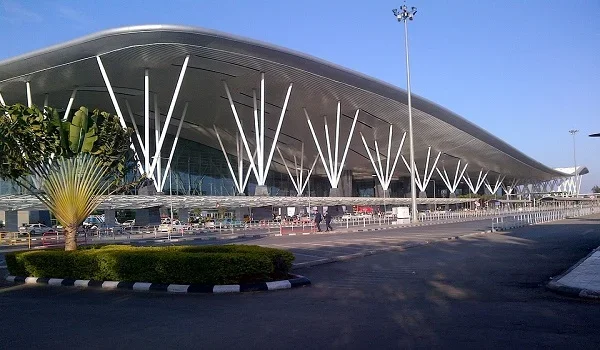
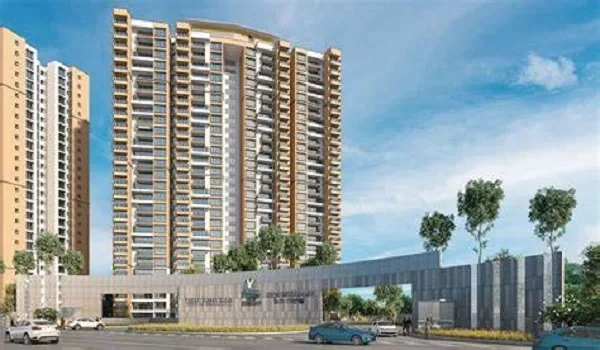
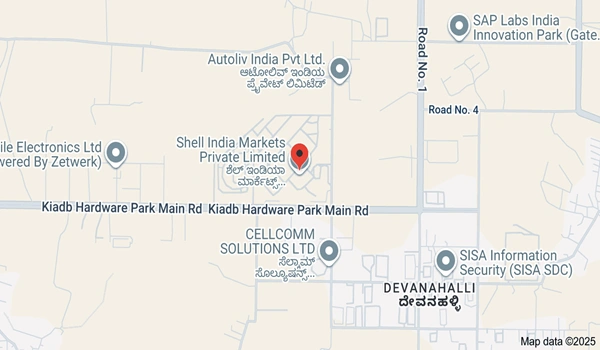
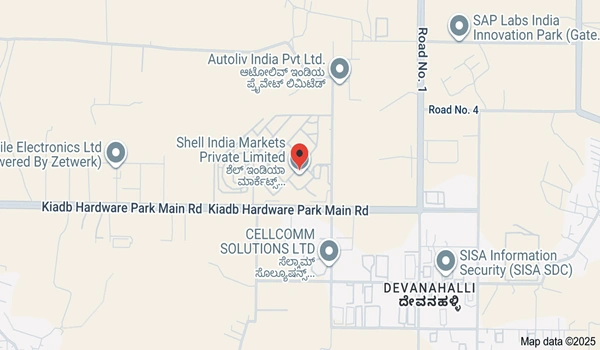
An airport is more than a transit hub. It creates jobs, attracts businesses, and brings in new residents. This activity completely changes the surrounding neighborhoods. For real estate, the homes built near these zones are the first to see a bump in value. That is exactly why Purva Northern Lights sits inside the KIADB Aerospace Park in Bagalur, just 8 kilometers from the Kempegowda International Airport (BLR).
What Airport-Led Growth Actually Means
When an airport expands, a predictable cycle begins. First, the city builds better roads, metro lines, and highways. Next, large companies set up their offices to use this new infrastructure. Finally, all the people working at these companies need a place to live. This creates a massive demand for housing nearby.
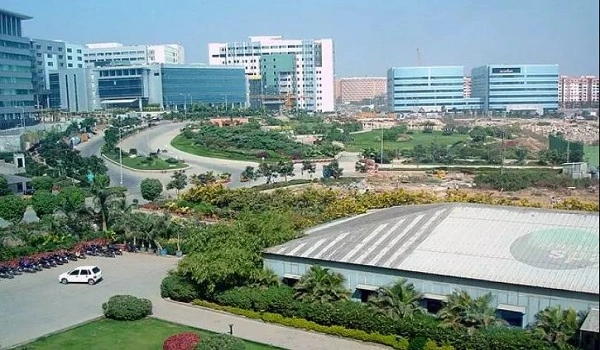
We saw this happen in Gachibowli near the Hyderabad airport and in Pune's Wakad area. Now, it is happening in North Bangalore. Better connectivity brings jobs, and jobs drive up property prices.
Why Bangalore Airport Is Driving North Bangalore Growth
BLR Airport is one of the busiest in South Asia, handling millions of travelers every year. Terminal 2 is fully running, and the attached Bengaluru Aero City is pulling in major corporate offices.
This business boom reaches into the neighboring 980-acre KIADB Aerospace SEZ. Today, this zone is home to huge facilities for Boeing, Airbus, Rolls-Royce, and Shell. These are permanent research and tech centers, not small branch offices. They employ thousands of high-earning professionals who travel to work here every day.
These workers need good homes close to their offices. That is the main reason residential demand is spiking for new Purva projects in this area.
How This Growth Directly Affects Purva Northern Lights
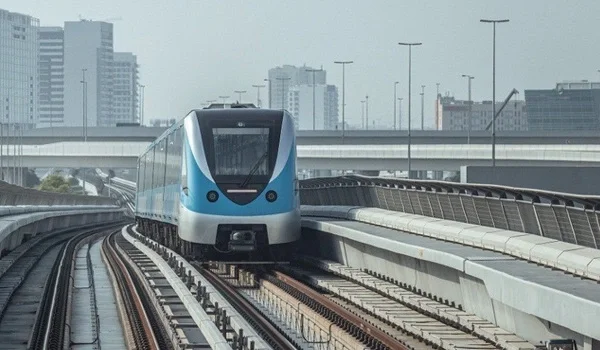
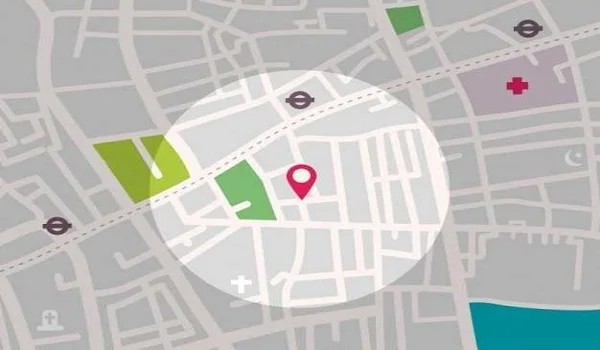
Purva Northern Lights is built right inside the KIADB Aerospace Park on Bagalur Road. It takes about 15 to 20 minutes to drive the 8 kilometers to the airport via NH 44. Plus, the upcoming Doddajala Metro Station on the Blue Line is only 2 kilometers away. Once this line opens, residents can easily travel to Hebbal, KR Puram, and Central Bangalore.
Here is what this means for buyers:
- Employees at Boeing or Airbus work right down the road. Purva Northern Lights is the closest large luxury township for them.
- Because these professionals want to rent nearby, rental yields in the Bagalur-Devanahalli belt sit comfortably between 4.5% and 5.2% per year.
- When the Blue Line metro opens (expected 2026-27), homes within 1.5 km of stations like Doddajala typically see rental demand jump by 15% to 18%.
The Infrastructure Stack Supporting This Growth
Real estate growth only lasts if the roads and trains actually get built. North Bangalore is unique because the infrastructure is already happening.
Infrastructure Status Relevance to Purva Northern Lights
| Infrastructure | Status | Relevance to Purva Northern Lights |
| NH 44 (Bellary Road) | Working | The main highway to the airport and Hebbal |
| Namma Metro Blue Line | Being built, 2026-27 target | Doddajala Station is just 2 km away |
| Peripheral Ring Road (PRR) | Being planned | Will connect North and East Bangalore |
| STRR (NH-648) | Parts are open | Acts as a bypass to connect Devanahalli |
| Bangalore Suburban Rail | Being built | The Mallige Line connects SBC to Devanahalli |
| KIADB Aerospace SEZ | Working | A massive employment hub right next door |
| Devanahalli SIR | Active (3,100 acres) | A planned area for commercial growth |
Every single project on this list adds value to the area. Together, they make North Bangalore one of the most connected places in the city.
What This Means for Property Appreciation
Over the last few years, property prices in North Bangalore grew by 12% to 15% annually. In contrast, the South and East parts of the city saw slower growth around 6% to 8%.
Financial experts expect the Devanahalli-Aerospace corridor to attract $20 billion in investments by 2027. Every new company brings more workers. Those workers need homes, which pushes up rent and property values.
Many real estate experts compare Bagalur Road today to Hebbal ten years ago. Hebbal is now very expensive, but Bagalur still has room for prices to grow as the area develops.
The Buyer Profile This Airport Corridor Creates
You will notice a specific type of buyer looking for homes in the airport zone:
- Aviation engineers and tech workers employed at BLR Airport, Boeing, or Airbus.
- IT professionals working at Manyata Tech Park or Bhartiya City (about 25 minutes away).
- NRI investors who want property that is easy to reach from the airport and has good growth potential.
- Corporate executives who travel often and want to avoid city traffic.
This specific group of buyers and renters makes the local real estate market very stable. It is a big reason why both families and investors buy into projects like Purva Northern Lights.
What Makes the Airport Corridor a Lower-Risk Location
Buying land near an airport is not a guaranteed win. The safest investments, like the Bagalur area, share these traits:
- Multiple ways to reach the city center (NH 44, Bagalur Road, PRR).
- Real companies are already open for business, not just planned for the future.
- Clear government planning (KIADB and SIR) to prevent messy, illegal building.
- A metro or railway that is actively being built.
- Large, well-known companies employing thousands of people locally.
The KIADB Aerospace Park checks every box. The jobs exist, the roads are clear, and the metro construction is visible.
How Puravankara Has Positioned Itself in This Growth Zone
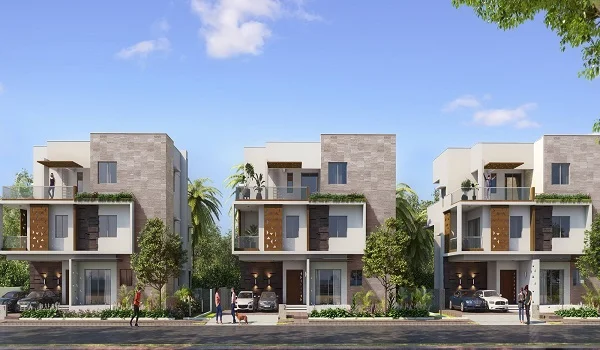
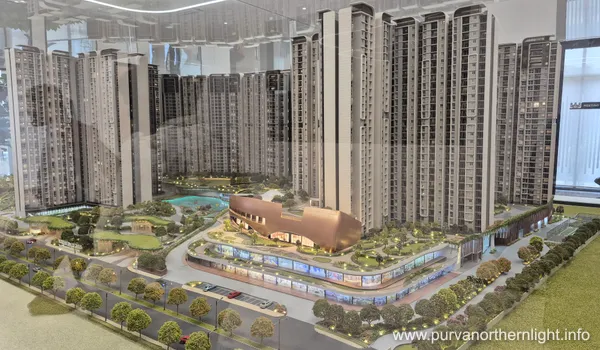
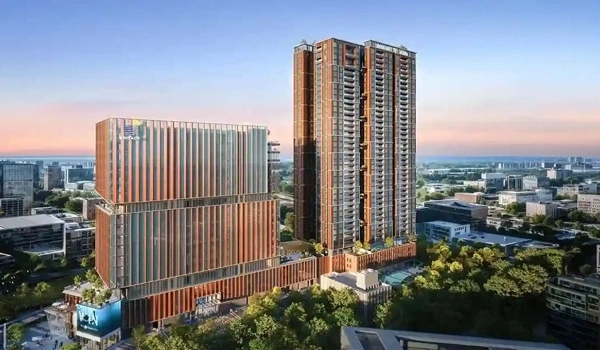
Puravankara knows how to pick a location. They have delivered over 80 projects across India. By building a 24.59-acre township inside the KIADB Aerospace Park, they are making a big bet on this area's future.
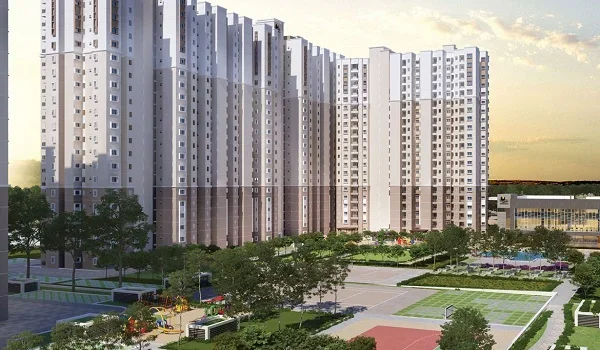
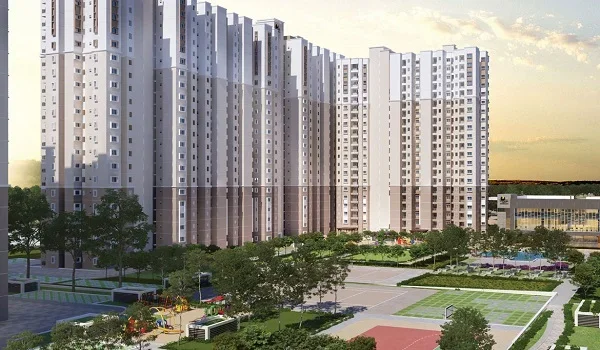
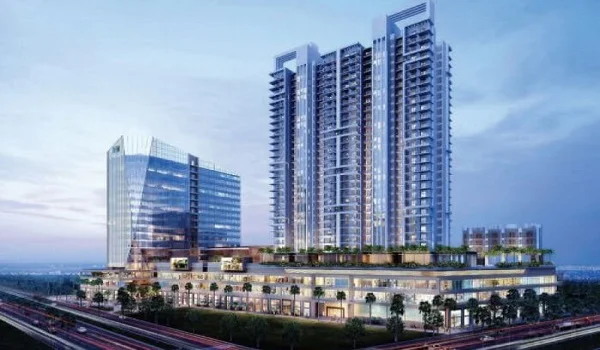
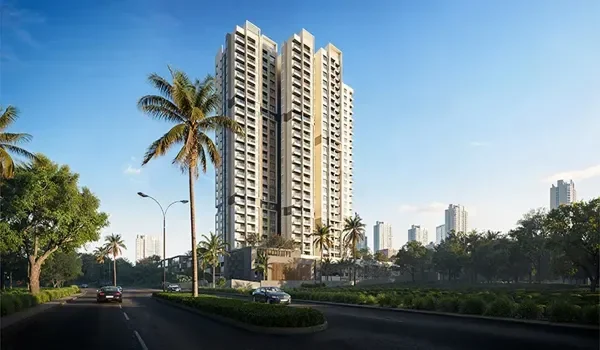
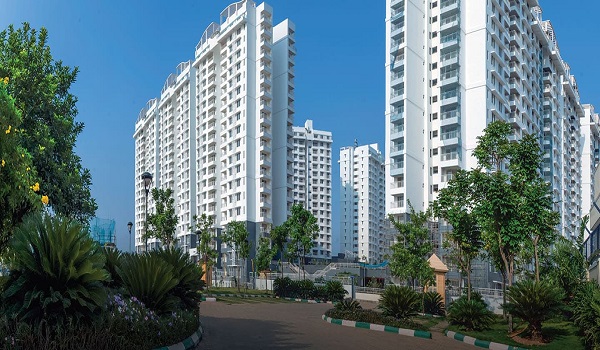
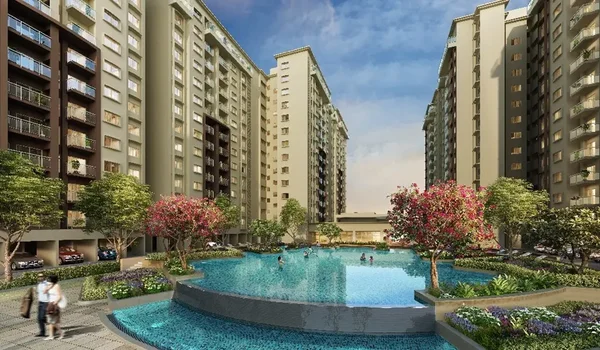
They designed Purva Northern Lights for the professionals moving to this zone. The project includes 1 lakh sq.ft. dual clubhouses, 77% open green space, co-working areas, and retail shops. These features appeal directly to tech and aerospace workers who want a comfortable lifestyle near their office.
The project received its RERA approval (PRM/KA/RERA/1251/309/PR/120326/008523) in March 2026. Construction begins in April 2026, and buyers will get their keys by December 2029. By move-in day, the Metro Blue Line should be running, and the local business park will have even more companies.